 Anvitha Infotech
Final Year Projects • Internships • Free Training
0%
Anvitha Infotech
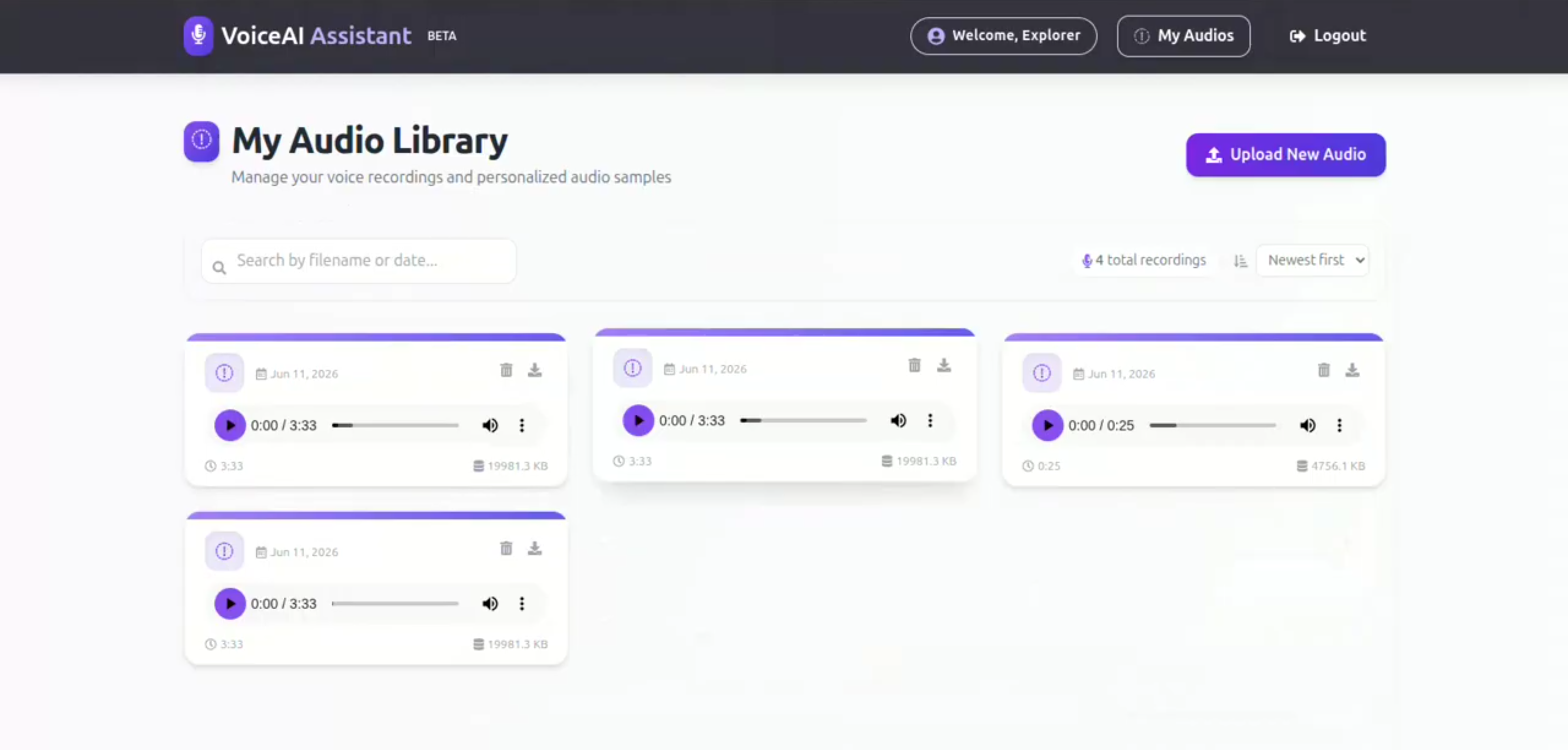
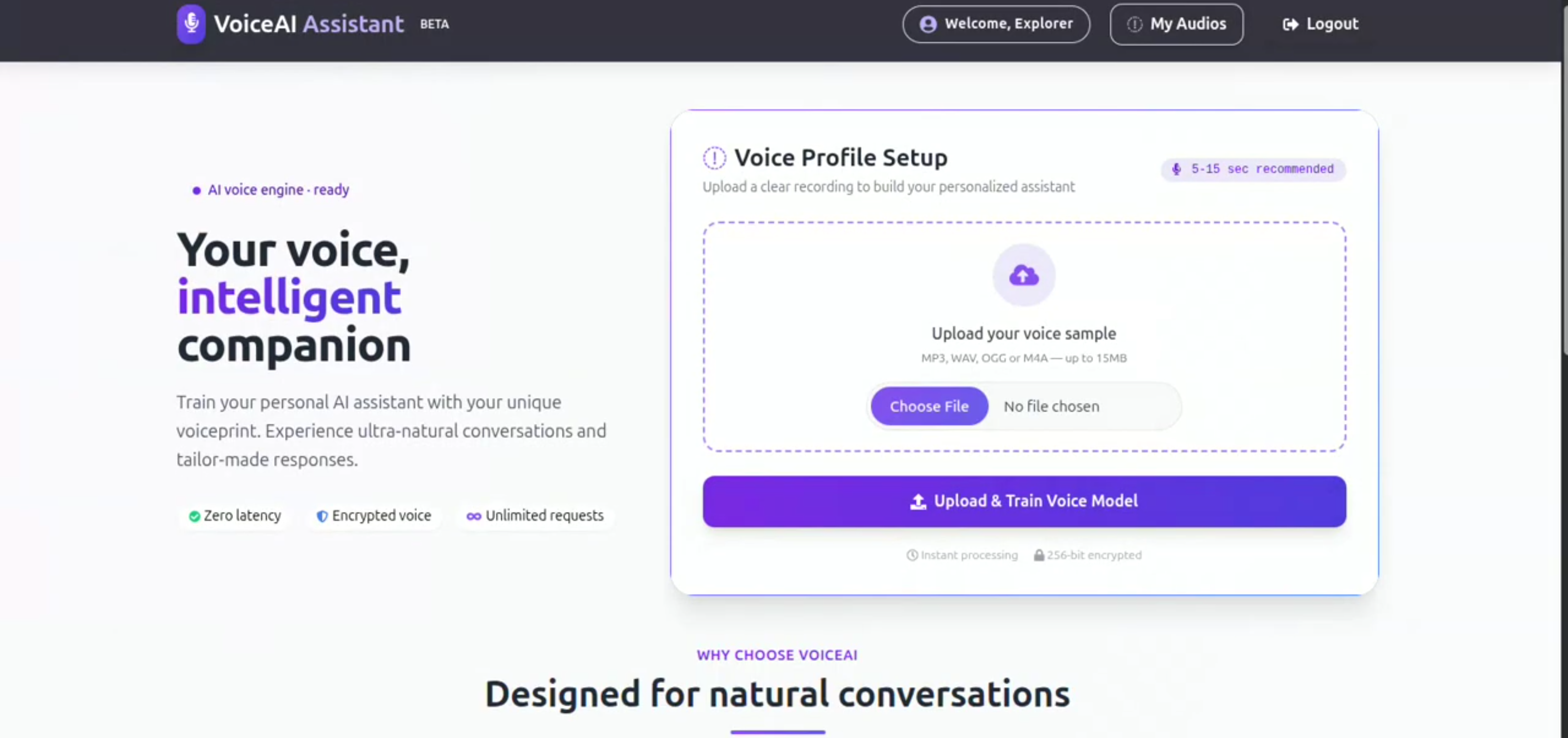
The system allows users to register, upload voice samples, and verify their identity through voice biometrics. It extracts unique speech features from audio recordings using Librosa and trains a personalized machine learning model for each …

Voice biometrics has emerged as a secure and convenient alternative to traditional authentication methods such as passwords and PINs, which are often vulnerable to theft, forgetting, or unauthorized sharing. This project presents a Voice-Based User Authentication and Speaker Verification System that utilizes machine learning techniques to identify and verify users based on their vocal characteristics, offering a more natural and inherently personal form of authentication that is difficult to replicate.The system enables users to register and upload multiple voice samples, which are processed using advanced audio feature extraction techniques such as Mel-Frequency Cepstral Coefficients (MFCCs), spectral contrast, spectral centroid, zero-crossing rate, and RMS energy. These features collectively capture the unique tonal, spectral, and energy-based characteristics of an individual's voice, forming a detailed acoustic fingerprint that distinguishes one speaker from another.The extracted features are used to train personalized Random Forest classification models capable of distinguishing the genuine user's voice from other voices and background noise. By training a dedicated model for each user, the system ensures that verification is tailored specifically to the vocal patterns of that individual, improving accuracy over generic voice-matching approaches. During authentication, a new voice recording is analyzed and compared against the trained model to determine the authenticity of the speaker, allowing real-time verification of whether the person attempting access is indeed the registered user.
The system incorporates data augmentation techniques to improve model robustness, helping the classifier generalize better across variations in tone, background noise, and recording conditions that might otherwise affect accuracy. It employs Django for web-based user management and audio storage, providing a structured and secure framework for handling user registration, voice sample storage, and the overall authentication workflow.
This solution provides an efficient, scalable, and secure approach to biometric authentication in modern applications. By combining detailed audio feature extraction with personalized machine learning models, the system offers a practical demonstration of how voice biometrics can serve as a reliable authentication mechanism for security-conscious digital platforms.