 Anvitha Infotech
Final Year Projects • Internships • Free Training
0%
Anvitha Infotech
The AI-Based Sign Language Recognition and Translation System is designed to bridge the communication gap between hearing-impaired individuals and the general public. The system uses Computer Vision, Deep Learning, and Natural Language Processing (NLP) techniques …

Communication barriers often create challenges for individuals with hearing and speech impairments, limiting their ability to interact naturally in everyday settings where sign language is not widely understood. This gap frequently results in dependence on interpreters or written notes, which can be impractical for spontaneous, real-time conversation. This project proposes an intelligent Sign Language Recognition and Translation System that utilizes Deep Learning, Computer Vision, and Natural Language Processing to facilitate seamless communication, offering a technology-driven bridge between sign language users and non-sign language users.
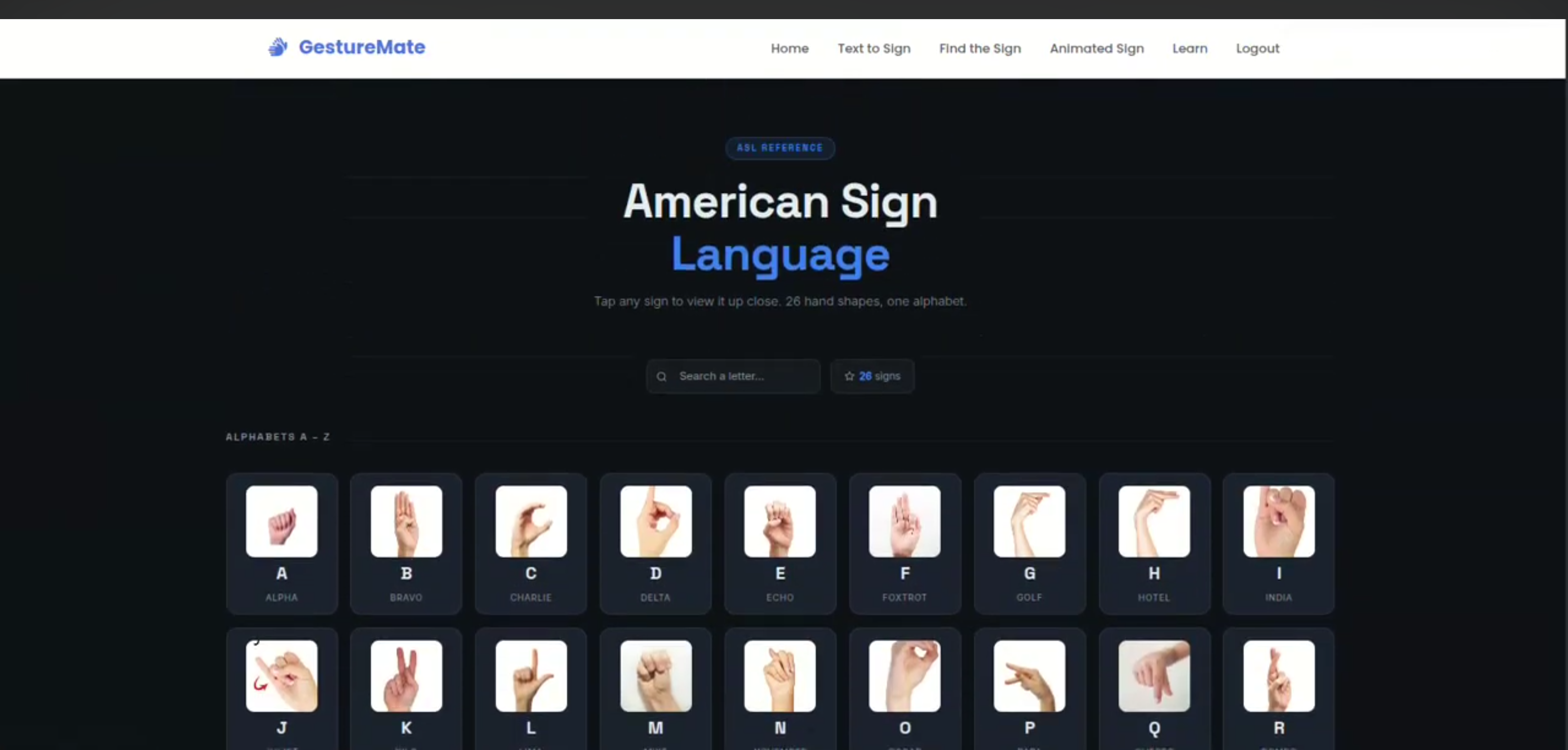
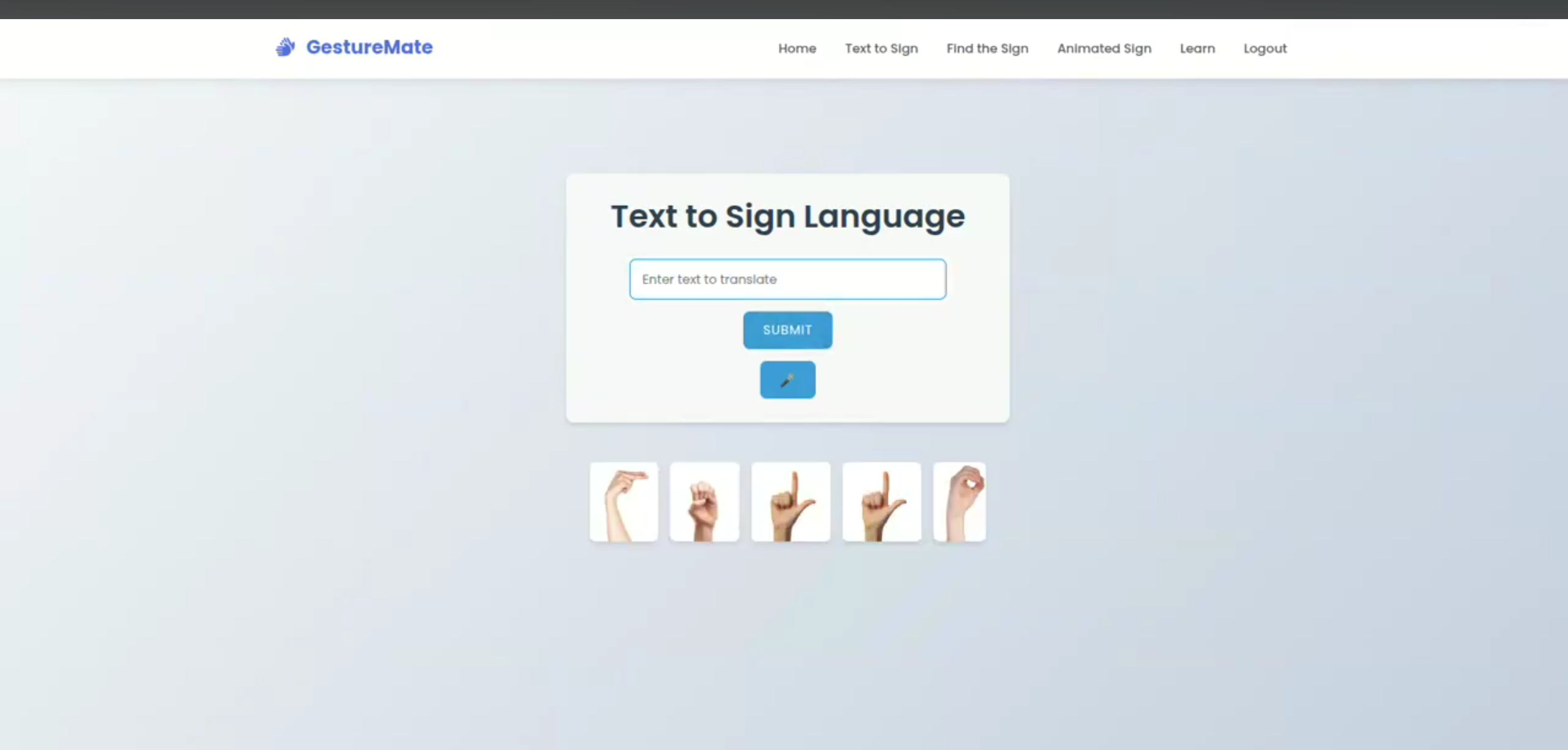
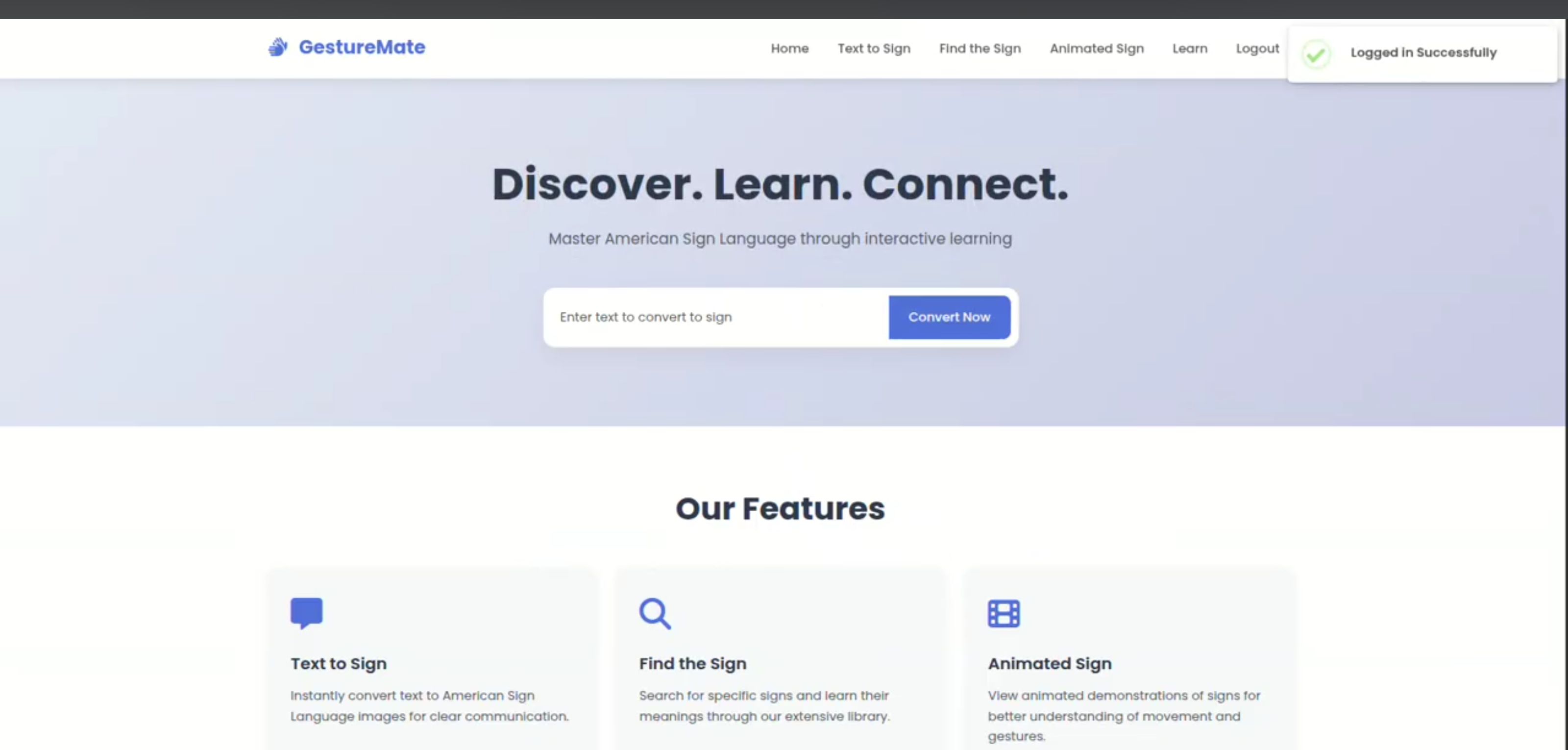
The system captures hand gestures using a webcam and recognizes sign language alphabets in real time through a trained Convolutional Neural Network (CNN) model, allowing gestures to be interpreted continuously as the user signs, without requiring specialized sensors or hardware beyond a standard camera. Recognized signs are converted into text, enabling non-sign language users to understand what is being communicated in a readable format, while user-entered text can be transformed into sign language images and animated gestures, allowing communication to flow in the opposite direction as well, from spoken or written language back into a visual sign representation.The application also incorporates NLP techniques to simplify sentences and map words to corresponding sign animations, ensuring that grammatically complex input is restructured into a form more suitable for sign language representation before being converted into visual gestures. This preprocessing step improves the coherence and accuracy of the resulting sign animation sequence.Additionally, users can learn sign language through interactive learning modules, extending the system's utility beyond real-time translation to also support skill-building for individuals interested in learning sign language themselves, whether for personal, educational, or professional purposes.
Developed using Django, TensorFlow, OpenCV, and SpaCy, the system provides an effective and accessible communication platform for hearing-impaired individuals. By combining real-time gesture recognition, bidirectional text-sign conversion, and educational features into a single system, the platform contributes meaningfully toward more inclusive and accessible communication for the hearing and speech-impaired community.