 Anvitha Infotech
Final Year Projects • Internships • Free Training
0%
Anvitha Infotech
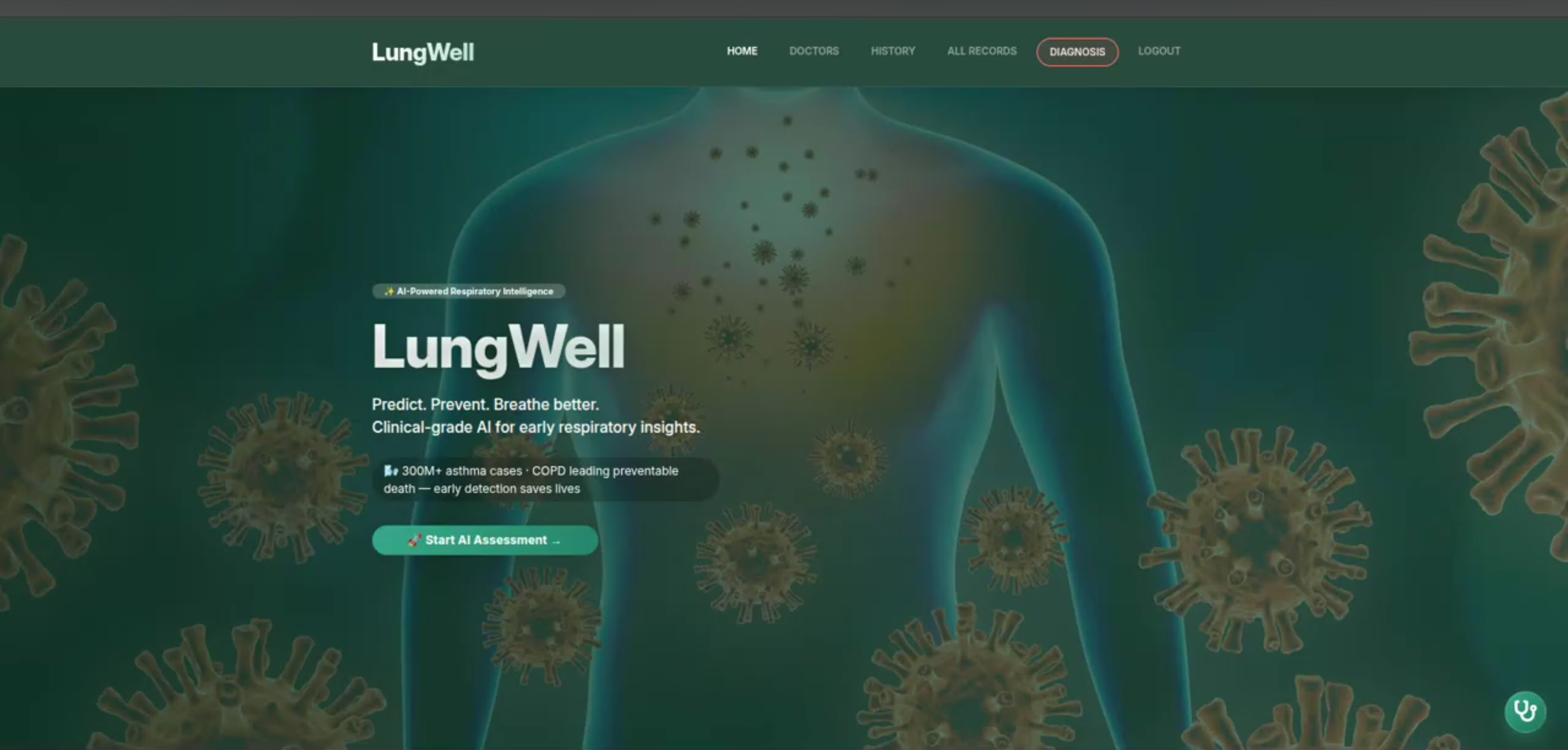
This project is a web-based healthcare application developed using Django and Deep Learning techniques for the automated detection of respiratory diseases from chest X-ray images. The system allows users to upload chest X-ray images, predicts …

The increasing prevalence of respiratory diseases necessitates early and accurate diagnosis to improve patient outcomes. Conditions such as pneumonia, tuberculosis, and COVID-19 often present overlapping symptoms, making timely and precise diagnosis challenging without expert radiological interpretation, which may not always be readily available, particularly in resource-limited settings. This project presents an intelligent Respiratory Disease Detection and AI Medical Assistant System that utilizes Deep Learning techniques to analyze chest X-ray images and automatically identify respiratory conditions, offering a supportive diagnostic tool that can assist in faster preliminary assessment.
The system employs a trained Convolutional Neural Network (CNN) model to classify X-ray images into five categories: Bacterial Pneumonia, Viral Pneumonia, Tuberculosis, COVID-19, and Normal. By learning distinguishing visual patterns in lung X-ray images, the model is able to differentiate between these conditions, providing a structured classification that can support clinical decision-making and prioritize cases requiring further medical attention.
Alongside disease prediction, the system generates comprehensive medical reports in PDF format containing diagnostic results, recommendations, and doctor notes, allowing the output to be documented, shared, and referenced in a professional and organized manner, similar to conventional medical reporting practices. An AI chatbot powered by Large Language Models further assists users by answering medical-related queries and providing healthcare guidance, offering an additional layer of support for users seeking clarification about their condition or general health-related information.
The system also maintains patient history records for future reference, enabling continuity of care by allowing past diagnostic results and reports to be revisited over time, which can be valuable for tracking a patient's health progression or supporting follow-up consultations.Developed using Django, TensorFlow, OpenCV, and Groq LLM integration, the solution aims to provide a reliable, efficient, and user-friendly healthcare support platform. By combining deep learning-based image classification with AI-driven conversational assistance and automated reporting, the system contributes toward more accessible and streamlined respiratory disease screening.