 Anvitha Infotech
Final Year Projects • Internships • Free Training
0%
Anvitha Infotech
This project is a web-based Air Quality Detection and Prediction System developed using Django and Python. It helps users estimate air quality by entering pollutant values through an online form. The system processes the values, …

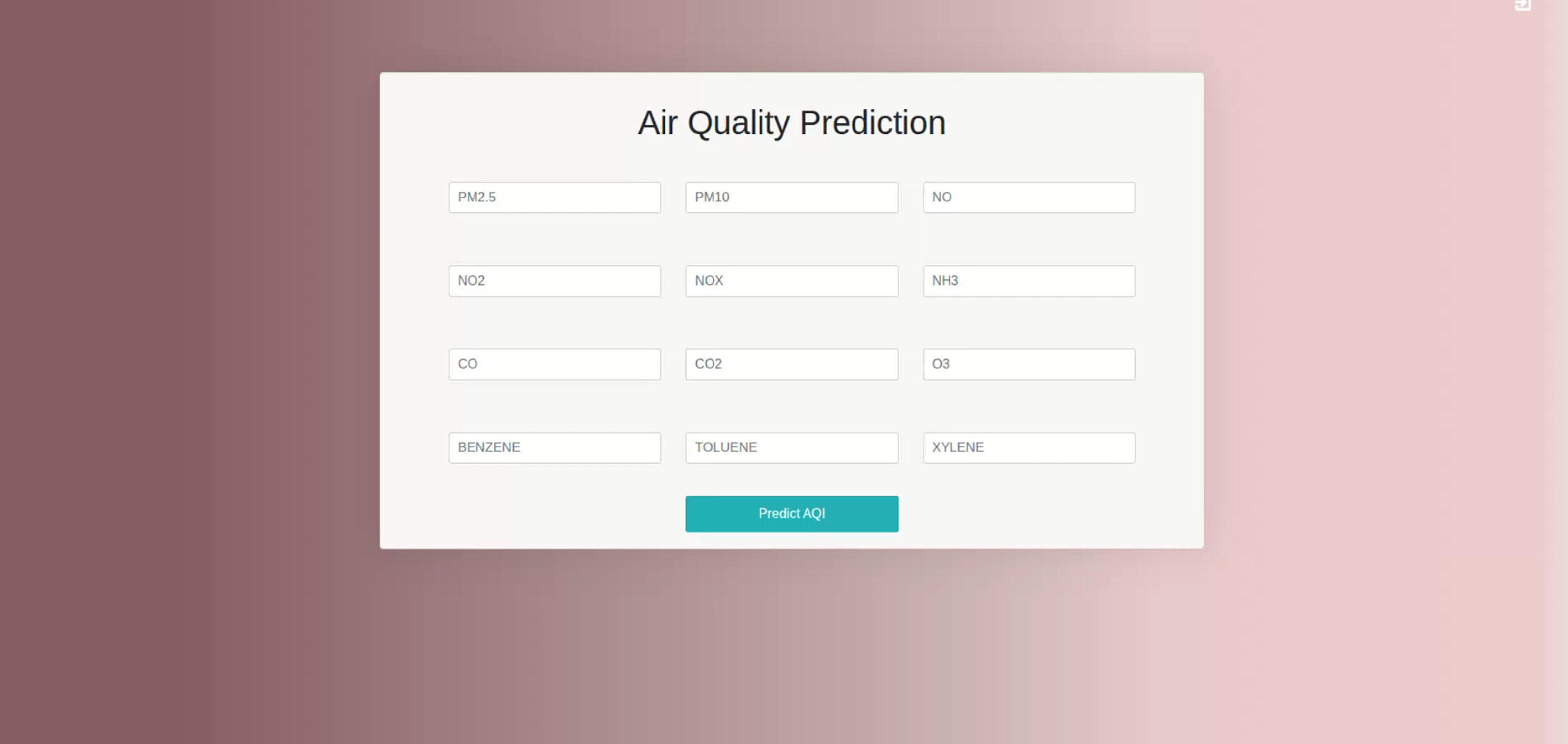
The Air Quality Prediction System is a Django-based web application designed to predict the air quality category from pollutant concentration values entered by the user. Air pollution monitoring is critical for public health awareness, yet raw pollutant concentration data can be difficult for the average user to interpret without a clear, categorized understanding of what those values mean in practical terms. This system bridges that gap by translating numerical pollutant readings into an easily understandable air quality classification.
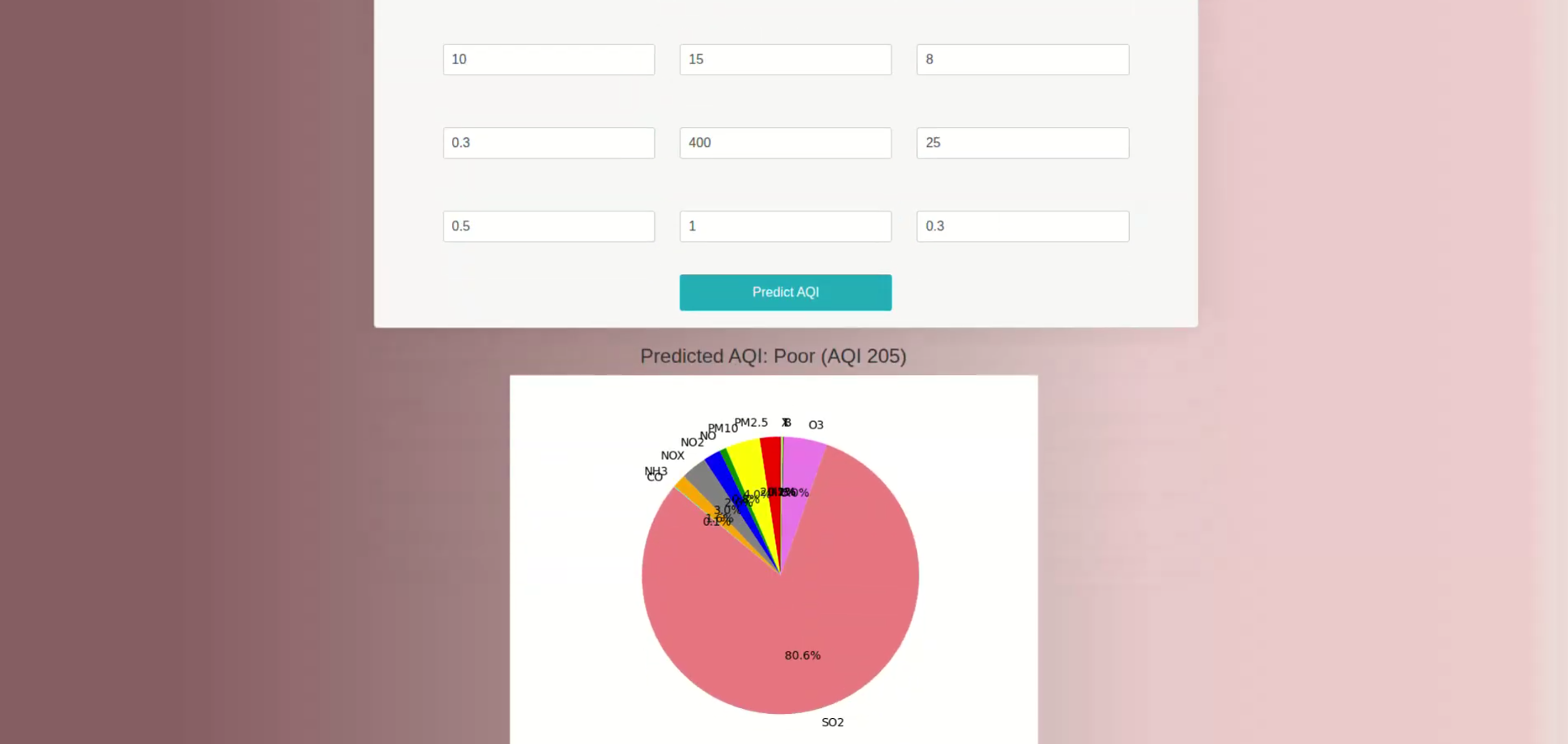
The system accepts values for major air pollutants such as PM2.5, PM10, NO, NO2, NOx, NH3, CO, SO2, O3, Benzene, Toluene, and Xylene, covering a comprehensive range of particulate matter and gaseous pollutants that collectively determine overall air quality. Based on these inputs, it predicts the Air Quality Index (AQI) bucket such as Good, Satisfactory, Moderate, Poor, Very Poor, or Severe, giving users an immediate and intuitive sense of the pollution severity associated with their entered values.
The application also provides user registration and login functionality, allowing users to access the prediction page after authentication, ensuring that the prediction service is used within a secure and personalized environment. The prediction logic supports lookup from the city_day.csv dataset when available, enabling the system to reference historical, city-specific air quality records for more contextually grounded predictions, and also includes AQI breakpoint-based calculation as a fallback, ensuring the system remains functional and reliable even when matching dataset records are unavailable.The system presents the predicted AQI result along with a pollutant distribution chart, making the output easier to understand visually. This visual representation allows users to quickly identify which pollutants are contributing most significantly to the overall air quality classification, adding an interpretive layer beyond a single categorical result and supporting more informed awareness of local air quality conditions.