 Anvitha Infotech
Final Year Projects • Internships • Free Training
0%
Anvitha Infotech
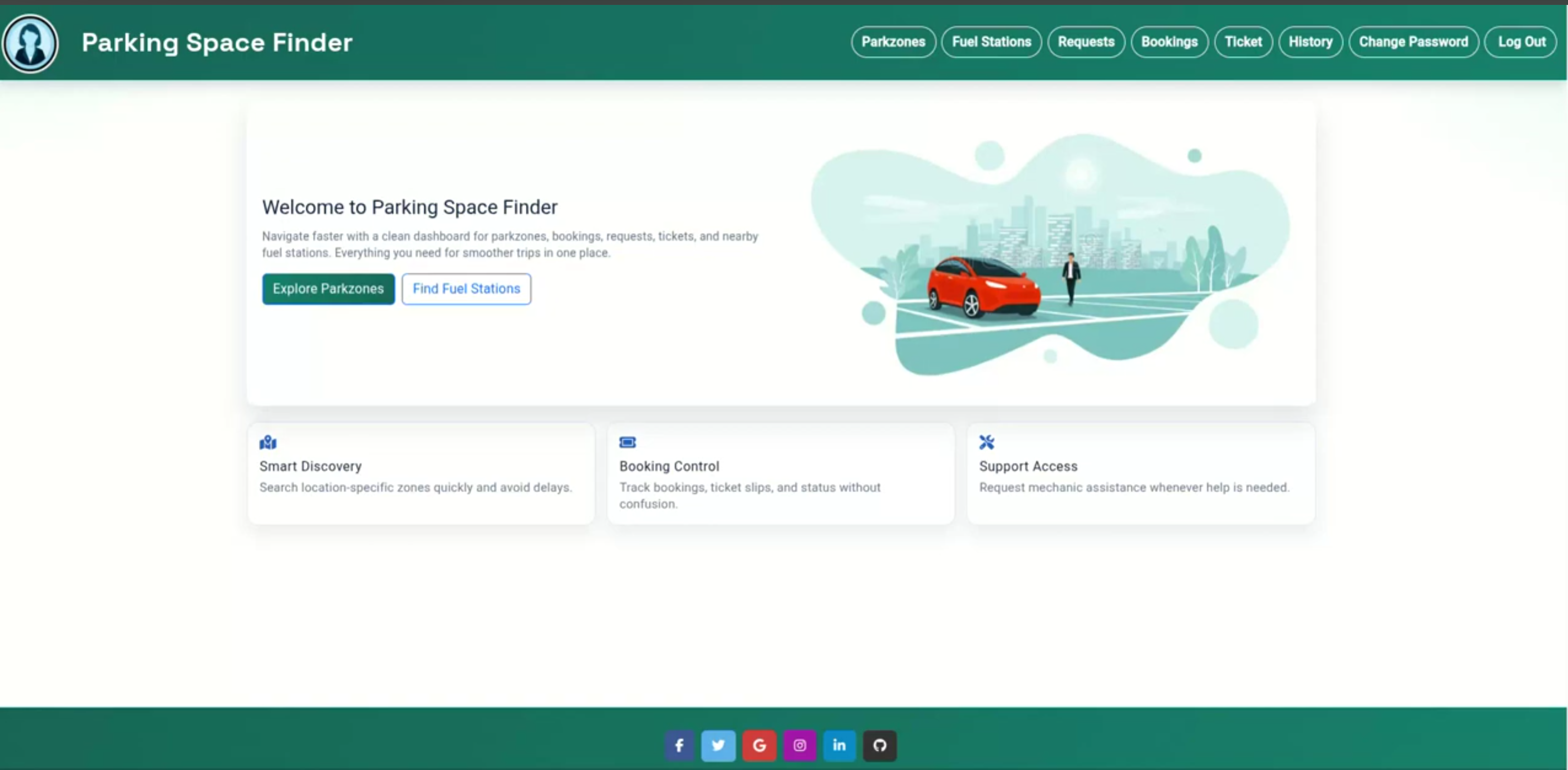
Parking Space Finder is a full-stack urban parking management platform that connects drivers with available parking slots in real time. It features a Django REST backend with SQLite storage, an Angular frontend for intuitive browsing …

The Parking Space Finder is a full-stack solution designed to simplify urban parking management
by connecting drivers with available parking slots through an intuitive web interface and a RESTful
backend. The project combines a Django-based backend API with an Angular frontend to provide
real-time slot discovery, reservation, and payment flows. The backend centralizes data in a
lightweight SQLite database (db.sqlite3) and exposes authenticated endpoints for user actions, while
the frontend offers responsive views for browsing, reserving, and managing bookings. A Postman
collection (Parking Space Finder.postman_collection.json) documents the API endpoints, enabling
easy testing and integration.
Architecturally, the system is modular and extensible. The backend’s api app encapsulates models,
serializers, views, and permissions to support resources such as reserved slots, reserved zones,
payments, feedback, and mechanic services. Migrations track schema evolution and ensure safe
upgrades. The frontend is organized using Angular conventions for maintainability and separation of
concerns, allowing teams to iterate on UI components independently. This separation enables
horizontal scaling of components and straightforward replacement of the storage or UI layers if
future needs demand it.
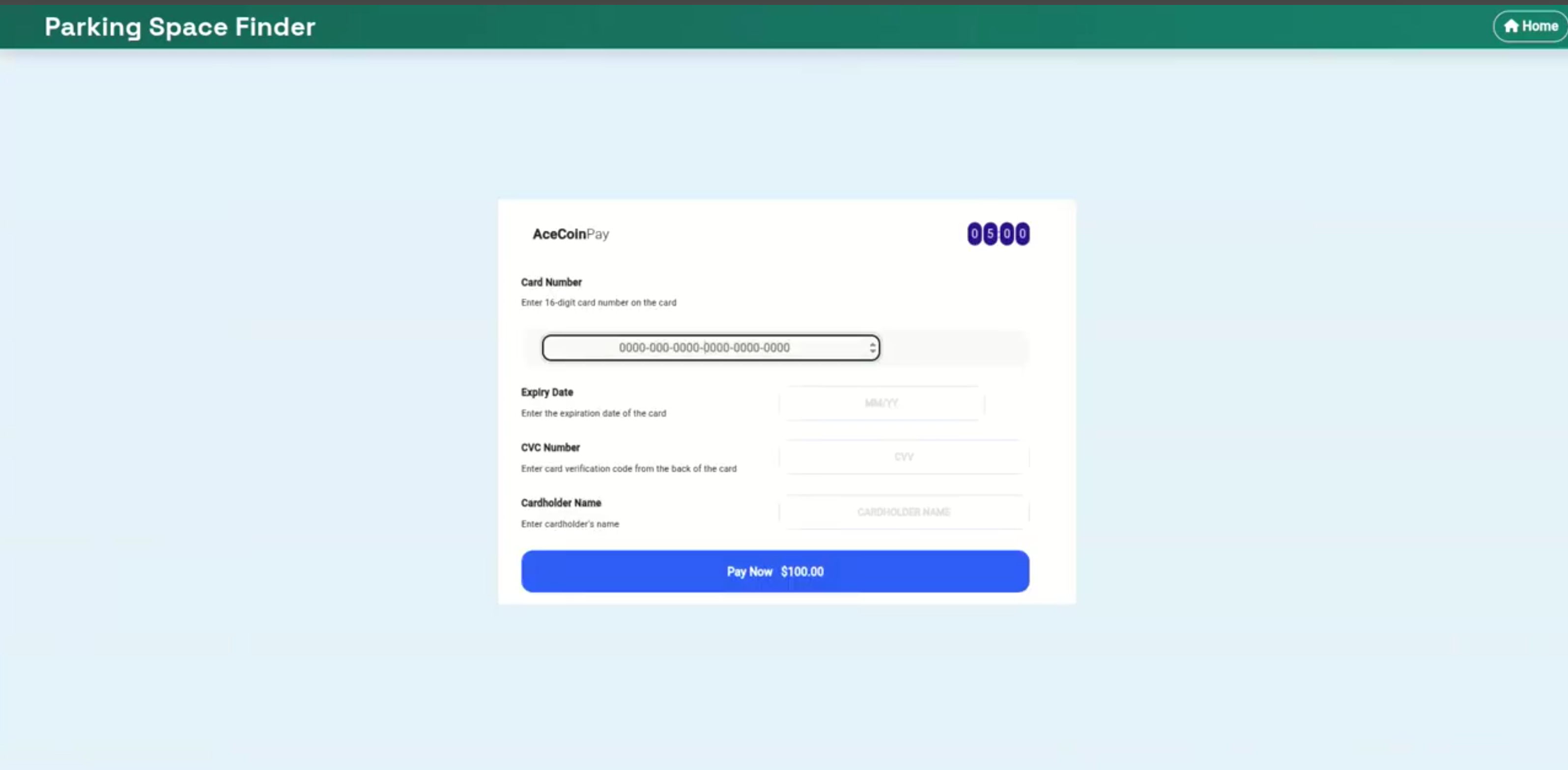
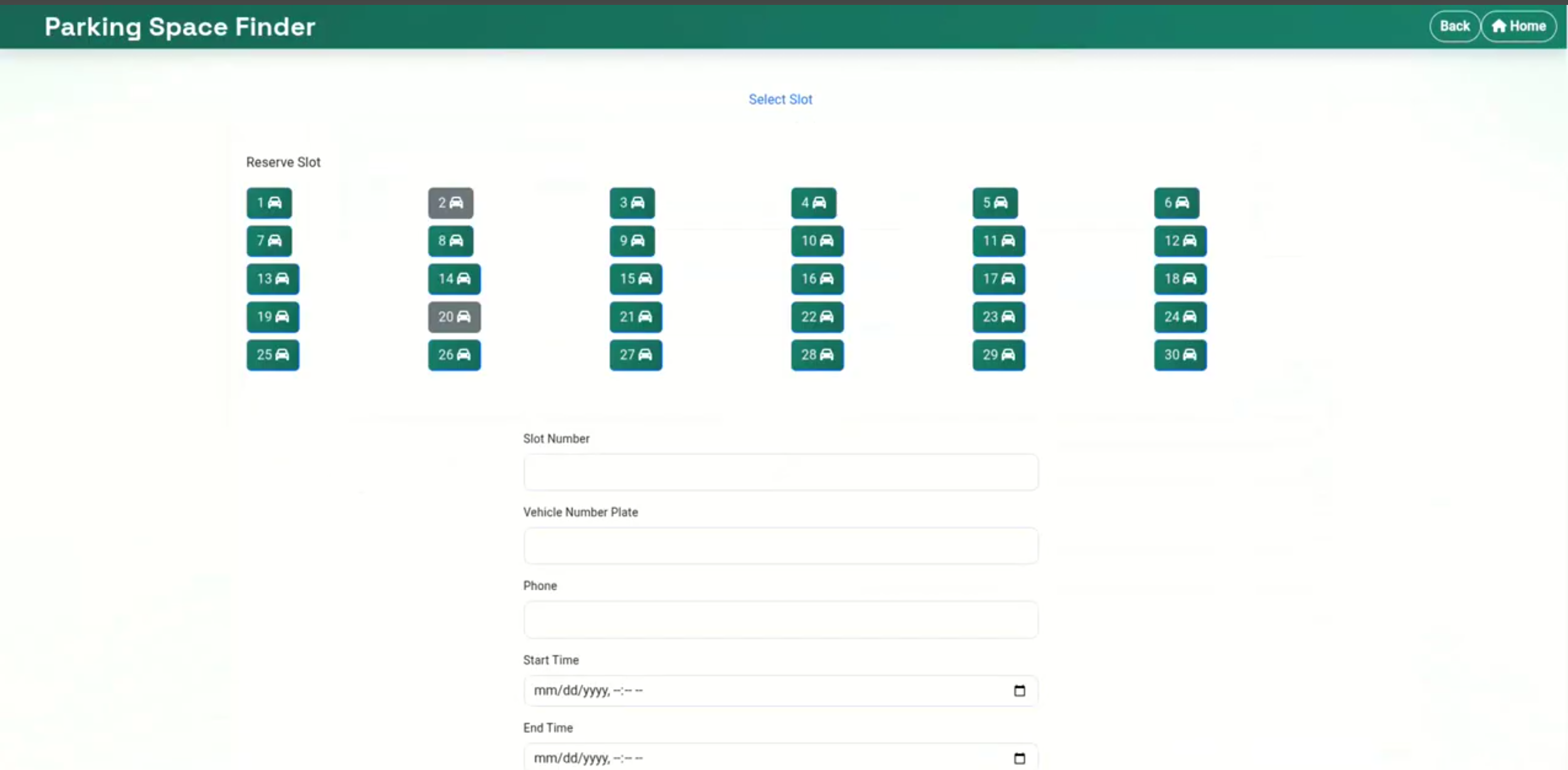
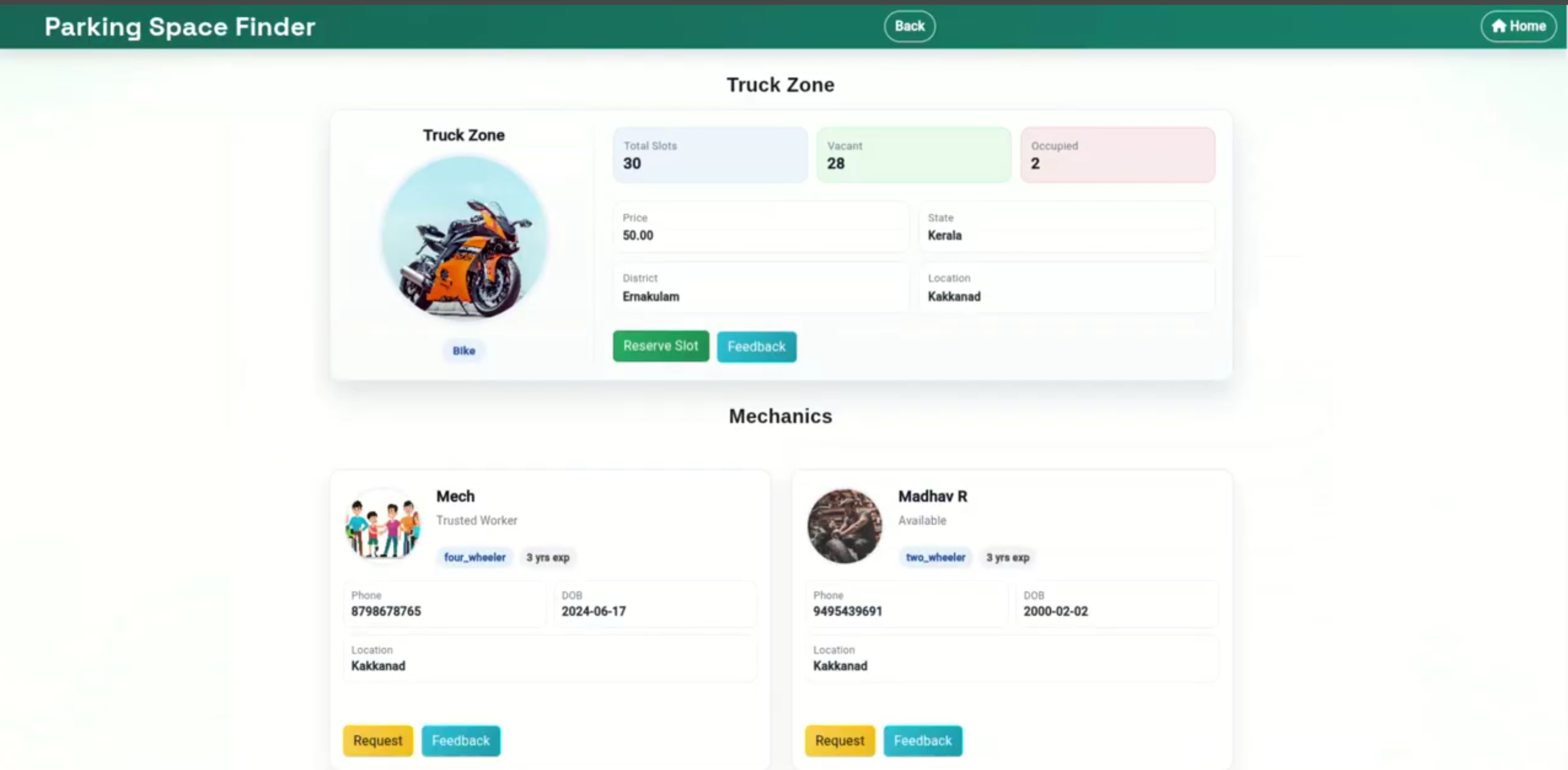
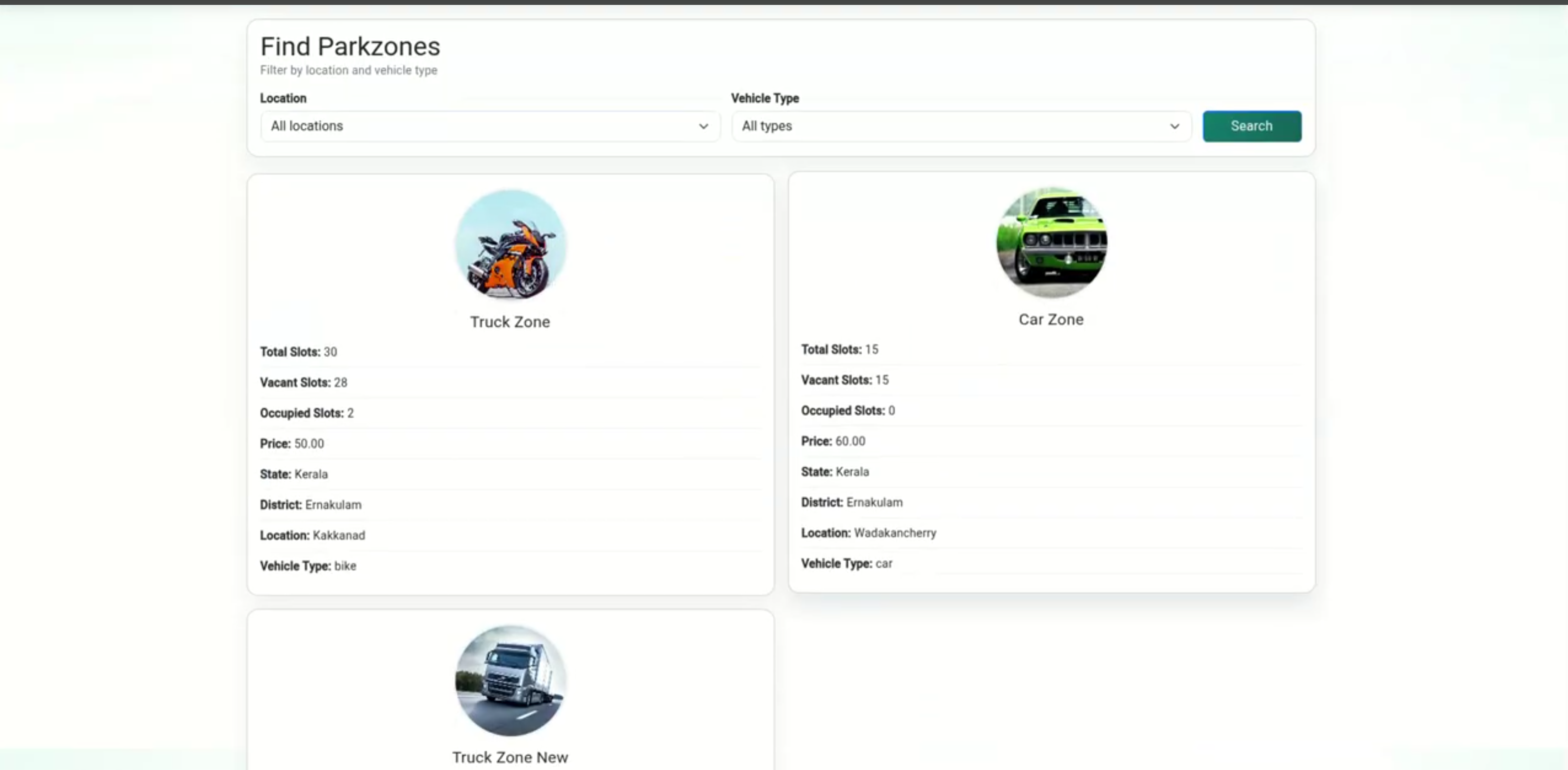
Featurewise, the platform supports searching for nearby parking, reserving specific slots or zones,
automated check-in/check-out workflows, and secure payment processing. Additional modules
manage user profiles and optional mechanic-related services (profiles, requests), and there’s support
for uploading and serving images for profiles and listings. Admin and operator roles are supported
via permissions in the API, enabling operators to manage zones, review payments, and handle
feedback. Built-in auditing and migration history help maintain data integrity and provide a clear
operational trail.